
TL;DR: Positive vs negative air pressure systems are essential for controlling airflow and managing airborne contaminants in controlled environments. This blog explains how each system works, their key differences, and when to use them for safety and efficiency.
- Explains the difference between negative and positive air pressure and how airflow is controlled using a pressure differential
- Positive and negative air pressure systems either keep contaminants out (positive) or contain contaminated air (negative)
- Covers how exhaust fans and airflow design create proper positive and negative pressurization
- Highlights real-world uses like cleanrooms, hospitals, and industrial spaces
- Provides best practices for managing air pressure to improve safety and compliance
Airflow control plays a critical role in maintaining safe, clean environments—especially in healthcare, laboratories, and industrial facilities. When it comes to positive vs negative air pressure, understanding how each system works can help you control contaminated air, protect occupants, and improve overall air quality.
In this guide, we’ll break down the difference between negative and positive air pressure, how each system functions, and when to use them.
What Is Air Pressure Control?
Air pressure control refers to how air moves between spaces based on a pressure differential. Air naturally flows from areas of higher pressure to areas of lower pressure. By controlling this flow, facilities can manage where air—and any contaminants it carries—travels.
This concept is the foundation of positive and negative pressurization, which are used to either contain or protect against airborne hazards.
What Is Positive Air Pressure?
Positive air pressure occurs when the air pressure inside a room is higher than the pressure outside. This forces air to flow outward whenever doors or openings are present.
In positive and negative air pressure systems, positive pressure is used to keep contaminants out. Clean, filtered air is continuously supplied into the space, pushing potentially harmful particles away.
Common Uses of Positive Air Pressure
Positive pressure environments are typically used where cleanliness is critical, such as:
- Cleanrooms
- Operating rooms
- Pharmaceutical manufacturing areas
- Electronics production facilities
In these settings, managing air pressure ensures that dust, bacteria, and other contaminants cannot enter the controlled space.
What Is Negative Air Pressure?
Negative air pressure works in the opposite way. In this setup, the pressure inside a room is lower than the surrounding areas, causing air to flow into the room rather than out.
This approach is designed to contain contaminated air within a specific area.
Common Uses of Negative Air Pressure
Negative pressure environments are commonly used in:
- Isolation rooms in hospitals
- Laboratories handling hazardous materials
- Industrial spaces with fumes or dust
- Areas with airborne infection risks
In these cases, negative air pressure helps prevent harmful particles from escaping into surrounding areas.
Positive vs Negative Air Pressure: Key Differences
When comparing positive vs negative air pressure, the main difference lies in airflow direction and purpose.
- Positive air pressure pushes air out to keep contaminants from entering
- Negative air pressure pulls air in to contain contaminants within a space
Understanding the negative air pressure vs positive approach is essential for selecting the right system.
Here’s a simple way to think about it:
- Use positive pressure to protect a clean environment
- Use negative pressure to isolate a hazardous one
How These Systems Work
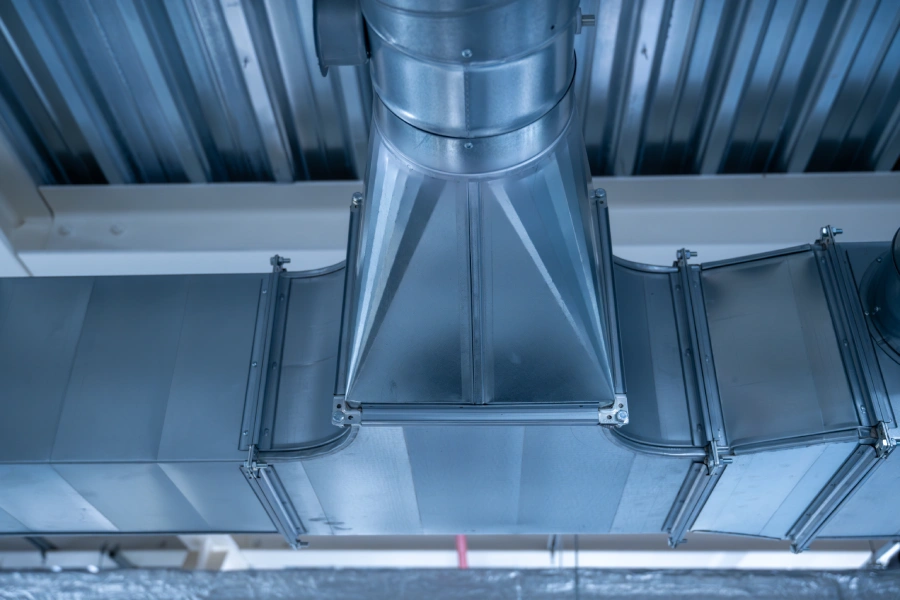
Both systems rely on carefully designed airflow and ventilation components to maintain the desired pressure differential.
Air Supply and Exhaust
- Positive pressure systems supply more air than they exhaust
- Negative pressure systems use exhaust fans to remove more air than is supplied
This imbalance creates the pressure conditions needed to control airflow direction.
Filtration and Air Quality
Air entering or leaving these spaces is typically filtered to ensure safety. High-efficiency filters remove particles before air is recirculated or released.
Proper filtration is especially important when dealing with contaminated air, ensuring harmful particles are not spread throughout the facility.
Why Air Pressure Control Matters
The importance of positive and negative air pressure goes beyond simple airflow—it directly impacts safety, compliance, and performance.
Contamination Control
One of the biggest advantages of positive negative air pressure systems is their ability to control the movement of contaminants. Whether you’re keeping a clean room sterile or containing hazardous fumes, airflow direction matters.
Health and Safety
In environments where airborne hazards are present, negative vs positive air pressure systems can reduce exposure risks. For example:
- Negative pressure keeps infectious particles contained
- Positive pressure protects sensitive areas from outside contaminants
Regulatory Compliance
Many industries must meet strict air quality and safety standards. Proper managing air pressure helps facilities stay compliant with regulations related to airborne hazards and workplace safety.
Choosing the Right System
Selecting between positive and negative air pressure depends on your specific needs.
Ask yourself:
- Are you trying to keep contaminants out or contain them inside?
- What type of particles or hazards are present?
- How critical is cleanliness or containment in your environment?
For example:
- A hospital operating room requires positive pressure to protect patients
- An isolation room requires negative pressure to contain infectious particles
Understanding the difference between negative and positive air pressure ensures you choose the right solution for your application.
Best Practices for Managing Air Pressure
To maintain effective airflow control, consider the following best practices:
- Regularly monitor pressure levels to ensure consistency
- Maintain ventilation systems and exhaust fans
- Use proper filtration to handle airborne contaminants
- Train staff on the importance of airflow control
Consistently managing air pressure helps maintain system performance and ensures long-term safety.
The Bottom Line
Understanding positive vs negative air pressure is essential for controlling airflow and protecting both people and processes. Whether you’re working to keep a clean environment sterile or contain hazardous substances, the right approach makes all the difference.
By recognizing the negative air pressure vs positive distinction and implementing proper systems, facilities can effectively manage contaminated air, improve safety, and maintain compliance.
In the end, mastering positive and negative pressurization is a key step toward creating healthier, more controlled environments.