
TL;DR: Metal fume fever is a short-term illness caused by inhaling fumes from heated metals, often affecting workers in welding, soldering, and fabrication environments. This blog explains what metal fume fever is, how to recognize it, and how to prevent it for safer working conditions.
- Metal fume fever symptoms include flu like symptoms such as fever, chills, fatigue, and a metallic taste
- Common causes involve exposure to metal fumes containing metallic oxides, especially from zinc (zinc shakes)
- Most cases resolve within 24–48 hours, answering how long does metal fume fever last
- Proper metal fume fever treatment includes rest, hydration, and removing exposure
- Preventing metal fume fever requires ventilation, PPE, and air filtration systems to reduce long-term chronic respiratory risks
If you work with metals—whether welding, soldering, or grinding—you may have heard of metal fume fever. But what is metal fume fever, and how serious is it?
This condition is more common than many realize. It often affects workers who experience exposure to metal fumes, especially in poorly ventilated environments. While it’s usually temporary, it can still be dangerous if ignored or repeated over time.
Let’s break down the causes, metal fume fever symptoms, and how to prevent it.
What Is Metal Fume Fever?
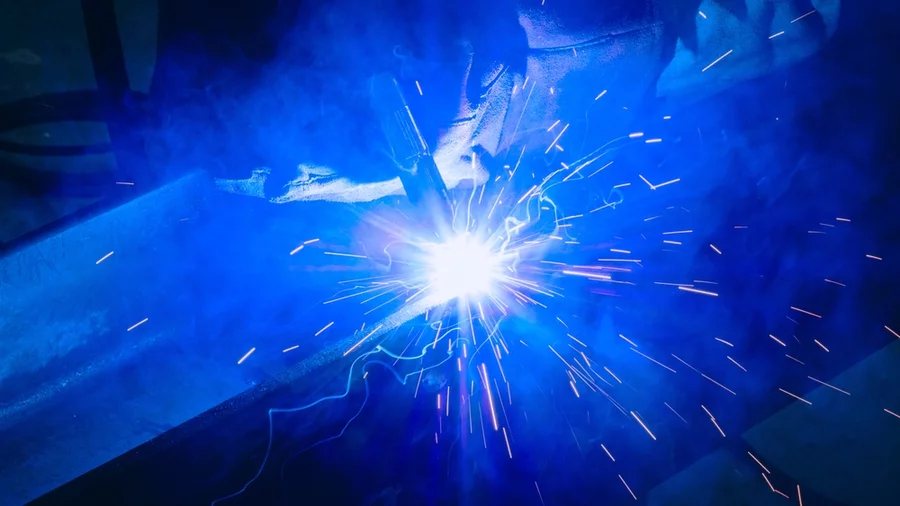
Metal fume fever is a short-term illness caused by inhaling fumes that contain metallic oxides. These fumes are created when metals are heated to high temperatures, such as during welding or cutting.
When metals like zinc, copper, or magnesium are vaporized, they react with oxygen and form fine particles. Once inhaled, these particles can irritate the lungs and trigger an immune response.
One of the most well-known forms of this condition is the “zinc shakes,” which happens after exposure to zinc oxide fumes—often from galvanized metal.
Common Causes of Exposure
Metal fume fever is most often linked to industrial and fabrication settings. Common activities include:
- Welding galvanized steel
- Soldering or brazing metals
- Cutting or grinding coated materials
- Working with metal alloys at high heat
In each of these cases, exposure to metal fumes can occur quickly—especially without proper ventilation or protective equipment.
Metal Fume Fever Symptoms
Recognizing metal fume fever symptoms early is key to minimizing risk. Symptoms typically appear within a few hours after exposure.
The most common fume fever symptoms include:
- Flu like symptoms such as fever and chills
- Muscle aches and joint pain
- Headaches
- Fatigue
- Dry cough
- Shortness of breath
- A metallic taste in the mouth
These symptoms often feel similar to the flu, which is why the condition is sometimes mistaken for a viral illness.
In more severe cases, symptoms may include chest tightness or irritation of the respiratory tract. Repeated exposure can increase the risk of chronic respiratory issues over time.
How Long Does Metal Fume Fever Last?
In most cases, symptoms begin within 3–10 hours after exposure and last between 24 and 48 hours. Many workers recover fully within a day or two with rest and limited exposure.
However, repeated exposure without proper protection can make symptoms worse over time and may lead to longer recovery periods.
Is Metal Fume Fever Dangerous?
For most people, it is considered a temporary and self-limiting condition. But that doesn’t mean it should be ignored.
Frequent or prolonged exposure can lead to more serious complications, including:
- Increased sensitivity to metal fumes
- Reduced lung function
- Higher risk of long-term chronic respiratory conditions
Additionally, severe exposure to certain metals (like cadmium) can result in more serious health effects beyond typical fume fever.
Metal Fume Fever Treatment
When it comes to metal fume fever treatment, the approach is usually straightforward.
Most cases can be managed with:
- Rest
- Hydration
- Over-the-counter medications for fever and pain
Removing yourself from the source of exposure is critical. Fresh air and time away from fumes allow the body to recover.
If symptoms worsen or persist beyond 48 hours, medical attention is recommended. In rare cases, oxygen therapy or additional care may be needed.
Preventing Metal Fume Fever
The good news is that preventing metal fume fever is very achievable with the right precautions.
Here are some effective strategies:
- Use proper ventilation systems or fume extractors
- Wear appropriate respiratory protection
- Avoid working in enclosed spaces without airflow
- Clean surfaces to reduce accumulated dust and particles
- Follow safety guidelines for handling heated metals
Engineering controls—like local exhaust ventilation—are especially effective in reducing exposure to metal fumes at the source.
The Bottom Line on Metal Fume Fever
Metal fume fever is a common occupational hazard in metalworking environments, but it doesn’t have to be. By understanding the causes, recognizing metal fume fever symptoms, and taking steps toward prevention, workers can protect their health and maintain safer workplaces.
While symptoms may pass quickly, the risks of repeated exposure are real. Investing in proper safety measures and air quality solutions is one of the best ways to ensure long-term well-being.
Clean air isn’t just about comfort—it’s essential for staying healthy on the job.
Let us help you choose the right fume extraction unit