
TL;DR: Dust collection is essential for maintaining safe, efficient industrial environments by capturing and removing airborne particles. This blog explores different dust collecting systems, equipment types, and applications to help you choose the right solution for your workspace.
- Industrial dust collection systems remove dust and improve air quality in manufacturing and workshop settings
- Methods like dust extraction, source capture, and ambient filtration help control airborne contaminants
- Equipment such as cartridge dust collectors and cartridge filters are effective for handling fine dust
- The right dust collector system depends on the type of dust, workspace size, and production volume
- Investing in proper dust collection equipment protects workers, extends equipment life, and ensures cleaner air
In industrial and workshop environments, dust collection is essential for maintaining safe, efficient, and productive operations. From woodworking shops to large manufacturing facilities, airborne dust can pose serious risks to both health and equipment.
Implementing the right dust collecting systems helps businesses control contaminants, improve air quality, and comply with safety regulations. In this guide, we’ll explore the methods, equipment, and real-world uses of modern dust collection solutions.
What Is Dust Collection?
Dust collection refers to the process of capturing, filtering, and removing airborne particles generated during industrial processes. These particles can range from visible debris to fine dust that is nearly invisible but highly dangerous when inhaled.
In many industries, dust is produced through cutting, grinding, sanding, or mixing materials. Without proper dust extraction, these particles can accumulate in the air, creating health hazards and reducing visibility.
Effective industrial dust collection ensures that contaminants are removed at the source, keeping workspaces cleaner and safer.
Why Dust Collection Matters
The importance of dust collecting goes beyond cleanliness. It plays a vital role in protecting workers, equipment, and overall operations.
Health and Safety
Different types of dust can affect the body in various ways. The type of dust generated—whether wood, metal, silica, or chemical—determines the level of risk.
Exposure to fine dust can lead to respiratory issues, irritation, and long-term health problems. In some cases, it may even contribute to chronic conditions or combustible dust hazards.
Improved Air Quality
Proper dust collection significantly improves indoor air quality. By continuously working to remove dust from the environment, these systems reduce airborne contaminants and create a healthier workspace.
Equipment Protection
Dust doesn’t just affect people—it can also damage machinery. Accumulated particles can clog systems, reduce efficiency, and increase maintenance costs.
Using reliable dust collection equipment helps extend the lifespan of tools and machinery.
Common Dust Collection Methods
There are several methods used in industrial dust collection systems, depending on the application and environment.
Source Capture
This method captures dust directly at the point where it is generated. It is one of the most effective forms of dust extraction, as it prevents contaminants from spreading into the air.
Source capture is commonly used in manufacturing dust collection setups, where processes produce continuous dust output.
Ambient Air Filtration
Ambient systems clean the air within the entire workspace rather than targeting a single source. These systems are useful when dust has already dispersed into the environment.
They work alongside other dust collecting systems to maintain consistent air cleanliness.
Centralized Systems
Large facilities often rely on centralized industrial dust collection systems that connect multiple workstations to a single dust collector system.
This approach allows for efficient, large-scale dust collecting and simplifies maintenance.
Types of Dust Collection Equipment
Choosing the right dust collection equipment is key to achieving effective results. Here are some of the most common options:
Cartridge Dust Collectors
Cartridge dust collectors are widely used in industrial environments due to their efficiency and compact design.
They use cartridge filters to capture particles, making them ideal for handling fine dust and high-volume applications. These systems offer high filtration performance and are often used in metalworking and manufacturing.
Baghouse Systems
Baghouse systems use fabric filter bags to trap dust particles. They are commonly used in heavy-duty applications where large volumes of dust are generated.
While effective, they may require more space and maintenance compared to cartridge-based systems.
Cyclone Collectors
Cyclone systems use centrifugal force to separate larger particles from the air. They are often used as a pre-filter in combination with other dust collecting systems.
This method helps reduce the load on primary filters and improves overall efficiency.
Portable Dust Collectors
For smaller operations or flexible setups, portable units provide convenient dust extraction without the need for a centralized system.
These are ideal for workshops or job sites where mobility is important.
Industrial Dust Collection Applications
There are many real-world uses for industrial dust collection across industries.
Manufacturing
Manufacturing dust collection is critical in facilities that produce consistent dust output. From metal fabrication to plastics processing, these systems help maintain safe working conditions.
Woodworking
Wood dust is one of the most common forms of airborne contaminants. Effective dust collecting systems help reduce fire risks and improve visibility.
Metalworking
Grinding and cutting metals produce hazardous particles that require specialized dust collection equipment to manage safely.
Construction and Finishing
Sanding, cutting, and finishing materials generate dust that can affect both workers and nearby environments.
Using a proper dust collector system ensures that these particles are captured and removed efficiently.
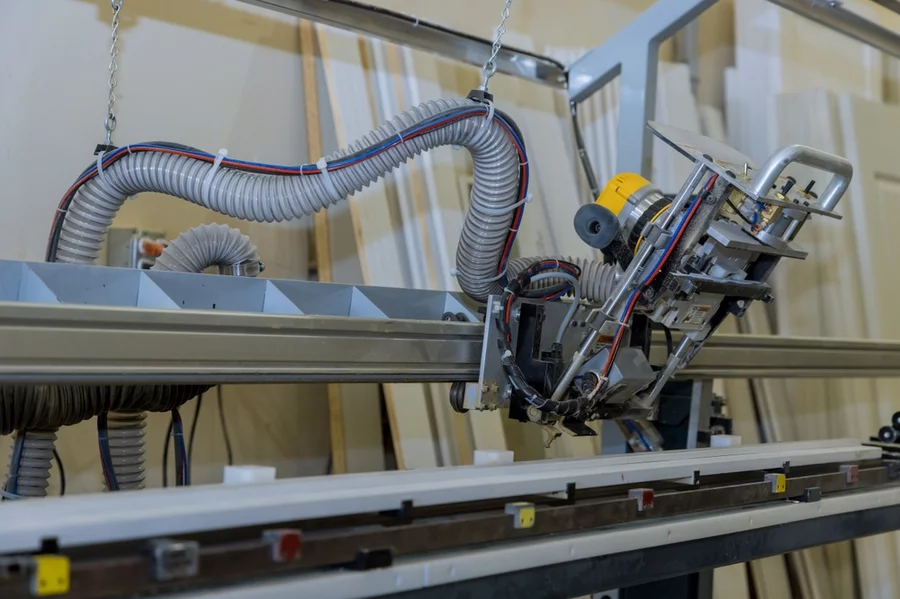
Choosing the Right Dust Collection System
Selecting the best system depends on several factors:
- The type of dust being generated
- The volume of dust produced
- The size of the workspace
- Regulatory requirements
For example, operations producing fine dust may benefit from cartridge dust collectors, while larger facilities may require centralized industrial dust collection systems.
Understanding your specific needs will help you choose the most effective solution.
The Bottom Line on Dust Collection
Dust collection is a critical component of any industrial or workshop environment. By investing in the right dust collection equipment and systems, businesses can improve air quality, protect workers, and enhance overall efficiency.
From source capture to advanced cartridge filters, modern industrial dust collection solutions offer powerful ways to manage airborne contaminants.
In the end, effective dust collecting isn’t just about cleanliness—it’s about creating a safer, healthier, and more productive workplace.